

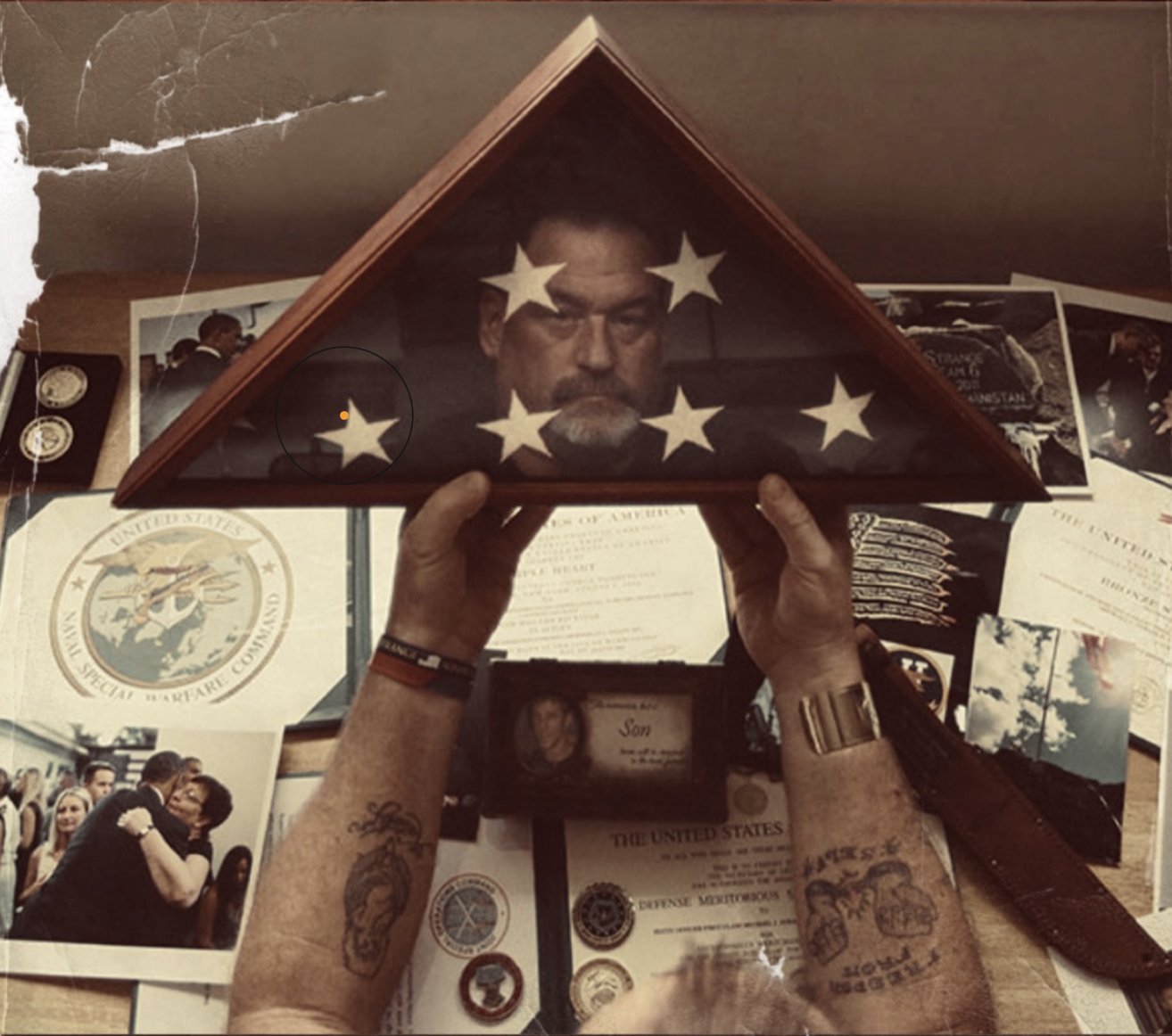
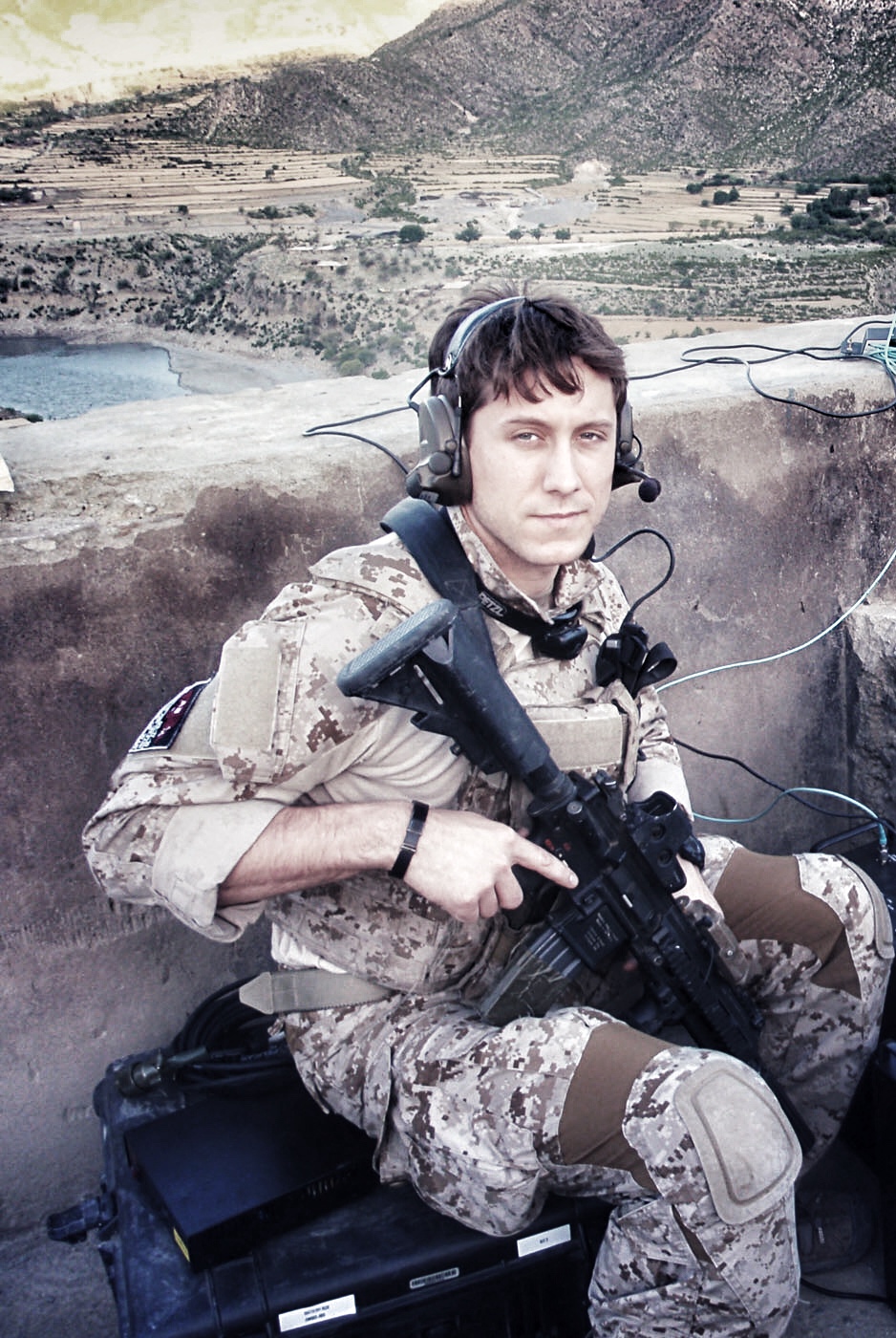
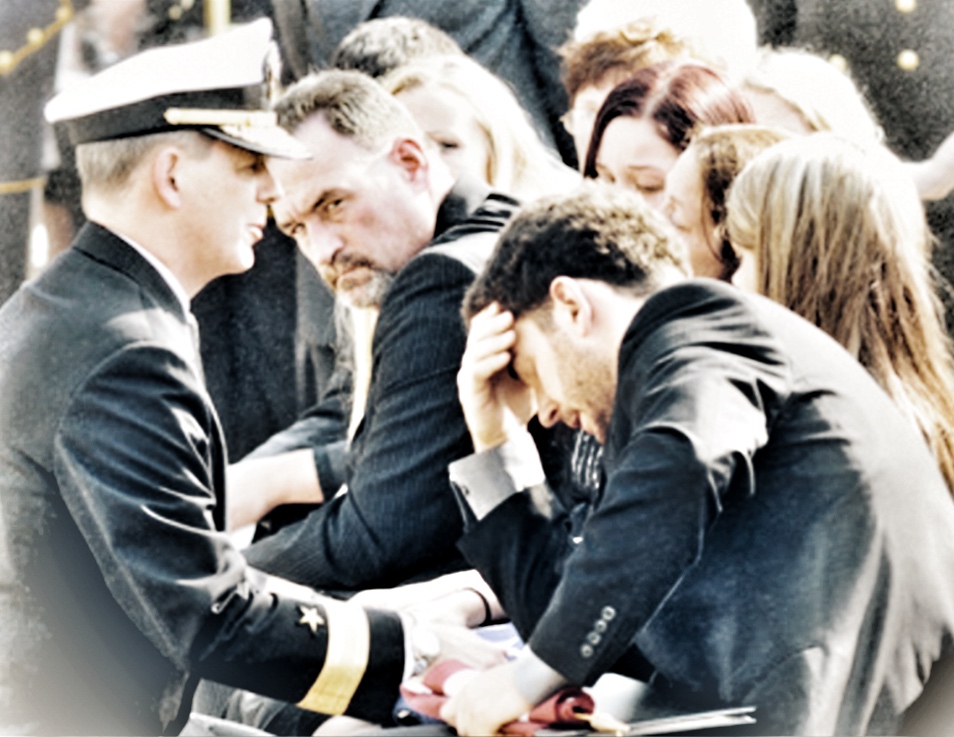
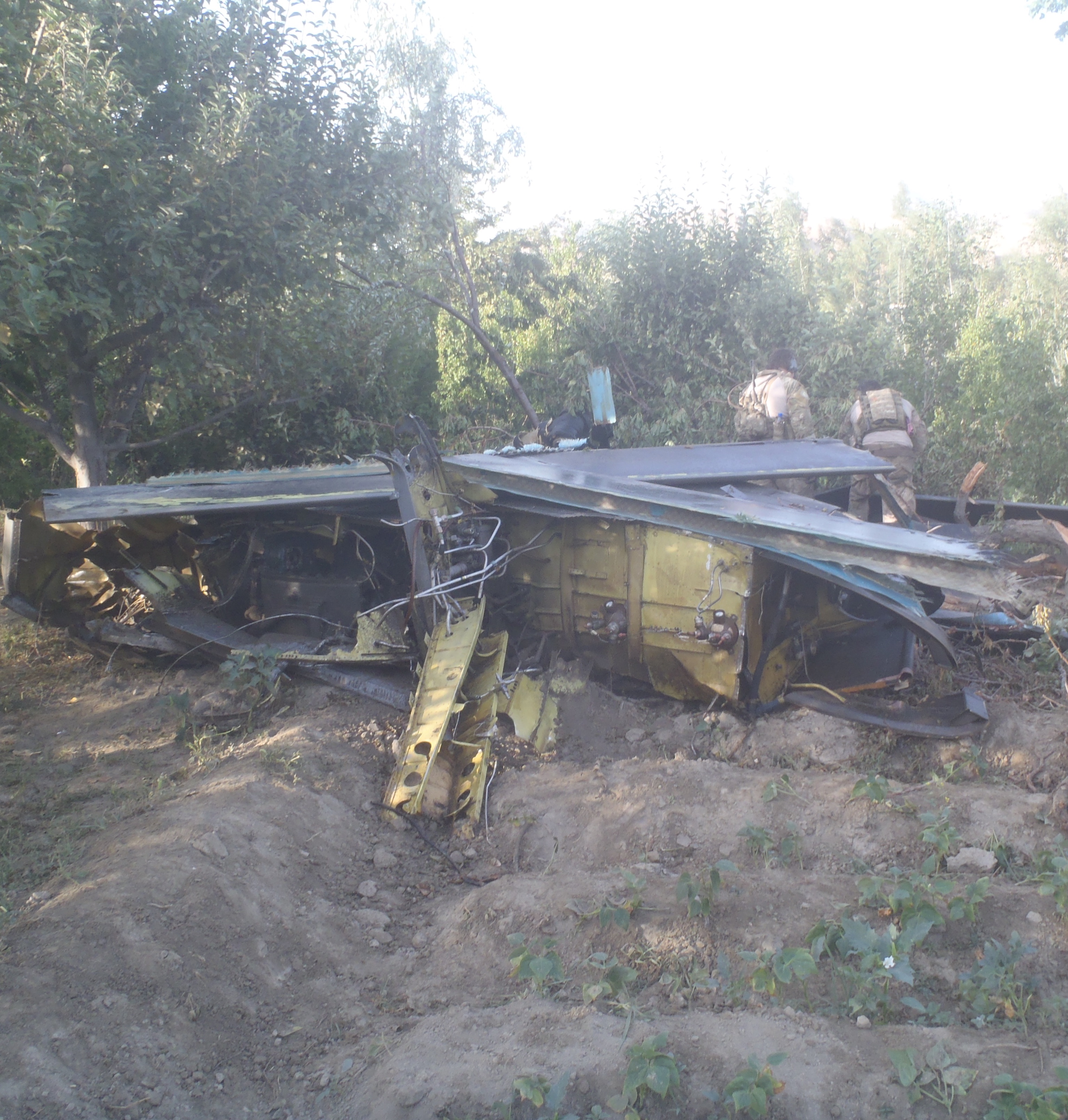
On August 6, 2011, a U.S. Chinook helicopter carrying 38 people was shot down in Afghanistan in what became the deadliest single-loss incident for American forces during the war. Among the dead was Michael Strange, a Navy cryptologist attached to SEAL Team 6. In the aftermath, his father, Charles Strange, began a relentless search to understand how and why his son had died.
What begins as a grieving father’s quest for answers gradually opens into a much larger and more unsettling investigation. Partially filmed on location in Afghanistan, the film revisits the events of that night through accounts from those connected to the mission and its aftermath, including military personnel, witnesses on the ground, and even Taliban members involved in the ambush. As those testimonies are placed against years of official statements, family claims, documents, and long-circulating allegations, the story of Extortion 17 begins to fracture in unexpected ways.
The deeper the investigation goes, the clearer it becomes that the mystery is no longer limited to what happened in the sky over Afghanistan. It now extends into the years that followed, where unanswered questions gave rise to suspicion, public mythmaking, and conspiracy rabbit holes that continued to grow for more than a decade. Claims repeated as fact begin colliding with contradictory testimony and hard evidence, forcing a reexamination not only of the mission itself, but of the narratives built around the dead.
As that shift takes hold, the film’s director is drawn from behind the camera and into the story itself, no longer simply documenting a father’s pursuit of truth, but confronting the distortions, false narratives, and manipulations that begin surfacing at the center of the film. Extortion 17 becomes not only an inquiry into a wartime tragedy, but a deeper portrait of grief in collision with truth, facts, and the dangerous afterlife of loss.

You cant burn the truth